
Most cameras switch to infrared after dark. Infrared gives you a usable picture in black and white, which is fine for seeing that something happened and much less useful for describing what happened.
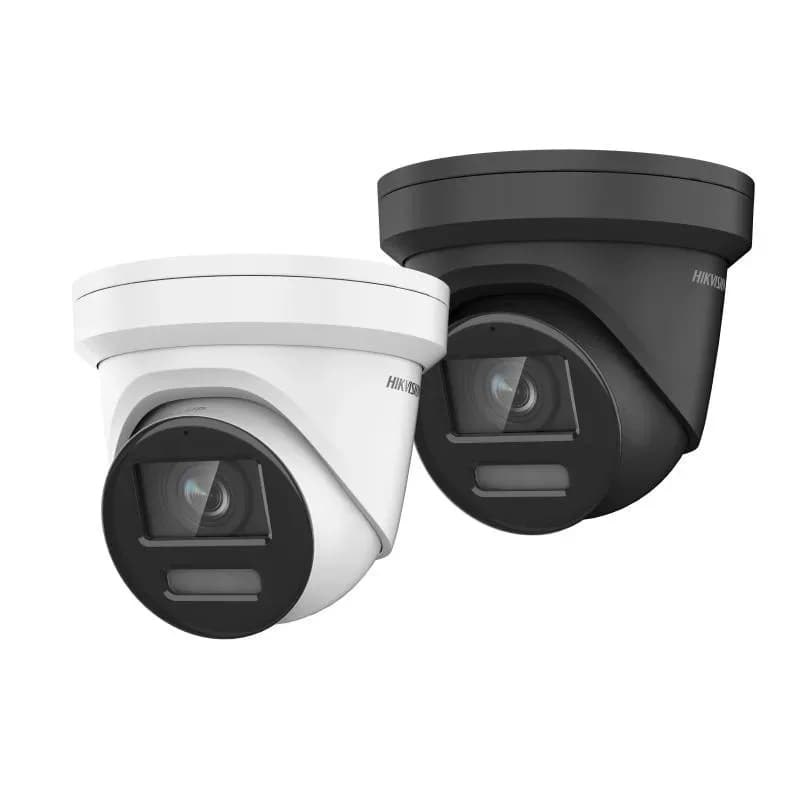
ColorVu is Hikvision's name for the technology that keeps the picture in colour at night.
Why colour matters more than sharpness
Think about what a description is worth. "A man in a dark jacket" is nearly useless. "A man in a red jacket" narrows it enormously. So does the colour of a car, or the colour of a jacket against a colour of vehicle.
Infrared footage cannot give you any of that, however sharp it is. It is the one thing resolution cannot compensate for.
How it works
Three things together, and all three have to be right:
- A larger aperture lens, letting in considerably more light than a standard lens
- A more sensitive sensor, which turns the light it gets into a usable signal
- A supplementary white light on the camera, for scenes with genuinely no ambient light
That third one is where installations go wrong.
The thing to understand before you specify it
If the scene has some ambient light, a streetlight, a security light, a lit forecourt, the camera can often work with it and stay discreet.
If the scene is genuinely dark, the camera turns on its own white light. That is a visible lamp on the wall. Some clients want exactly that, because a lit area is a deterrent and the footage is better. Others are unhappy to discover their car park now has a light on it all night, particularly with neighbours or bedroom windows nearby.
Decide which you want before the camera goes up, not after.
Where it is worth the money
- Entrances and gates, where you need to describe a person rather than count them
- Tills and counters, where colour tells you which note and which item
- Vehicle approaches, where the colour of a car is half the description
- Anywhere with some existing light, because that is where it performs best for the least intrusion
Where it is not
- Long perimeter runs where you want to know something crossed a line, not what colour it was
- Scenes with no light and no tolerance for a lamp
- Budget-limited jobs where the money is better spent covering an uncovered entrance than upgrading one that is already watched
That last one is the honest answer more often than anyone selling cameras likes to admit. A site with a blind spot is worse off than a site with a black and white picture of every doorway.
Seeing it before you buy it
Specifications do not settle this. Looking at footage from the actual technology, at night, does.
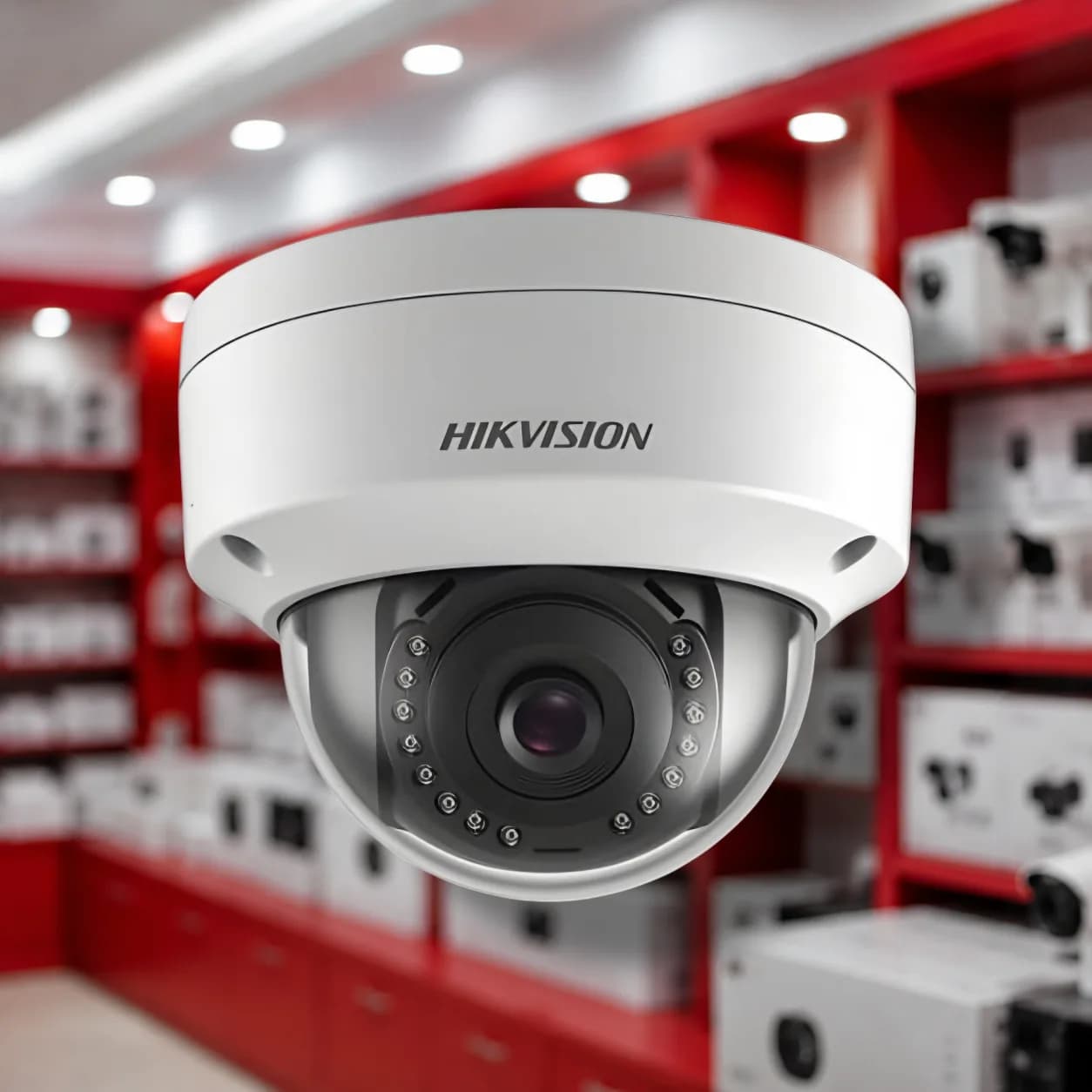
We carry the Hikvision range and there is equipment in the showroom in Kariakoo. If you are choosing between colour and infrared for a specific site, tell us about the site and we will look at the light you actually have.