Both record video. The difference is where the picture becomes digital, and that single fact decides your cabling, your budget and how easy the system is to extend later.
The short version
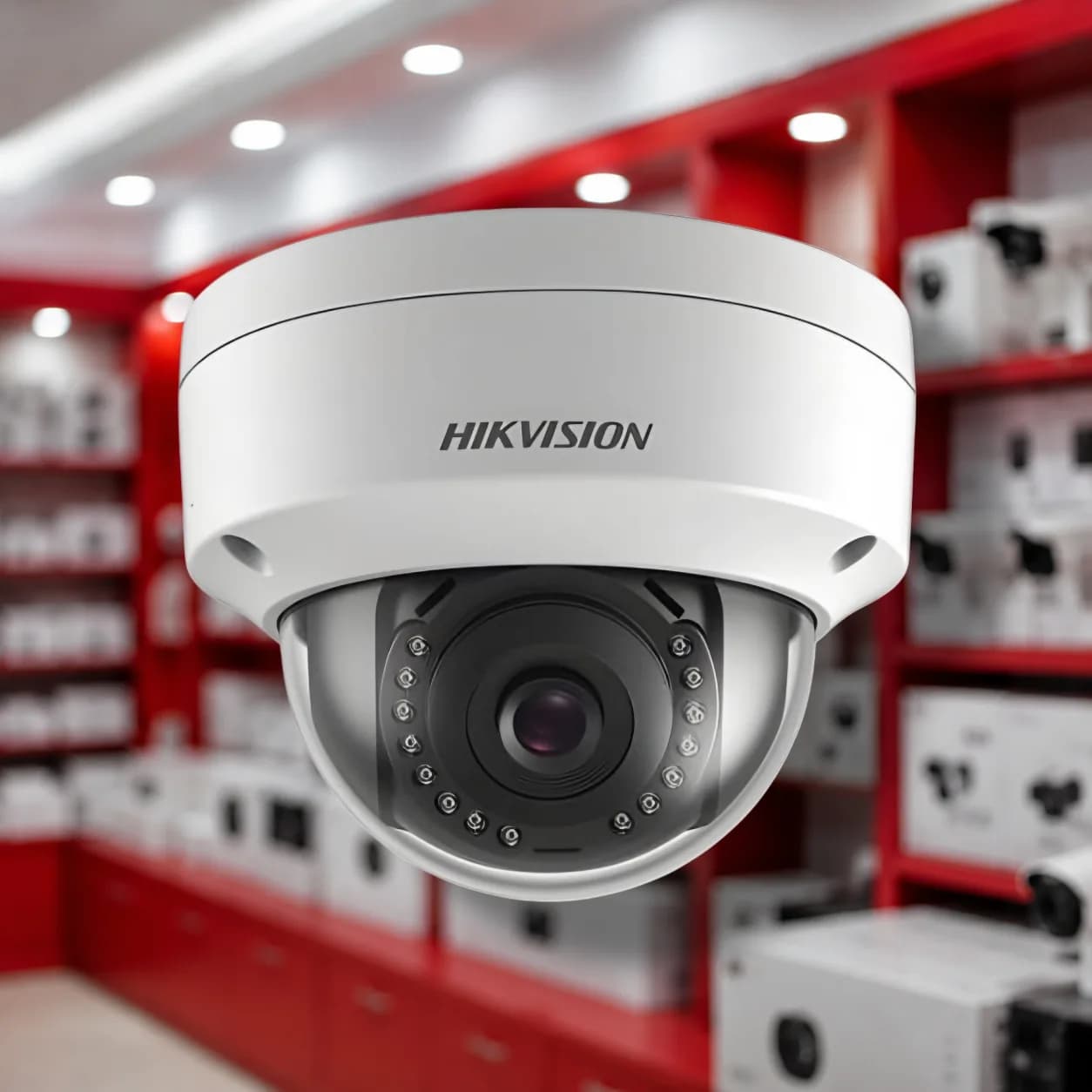
A DVR takes analogue cameras over coaxial cable and does the encoding itself, in the recorder.
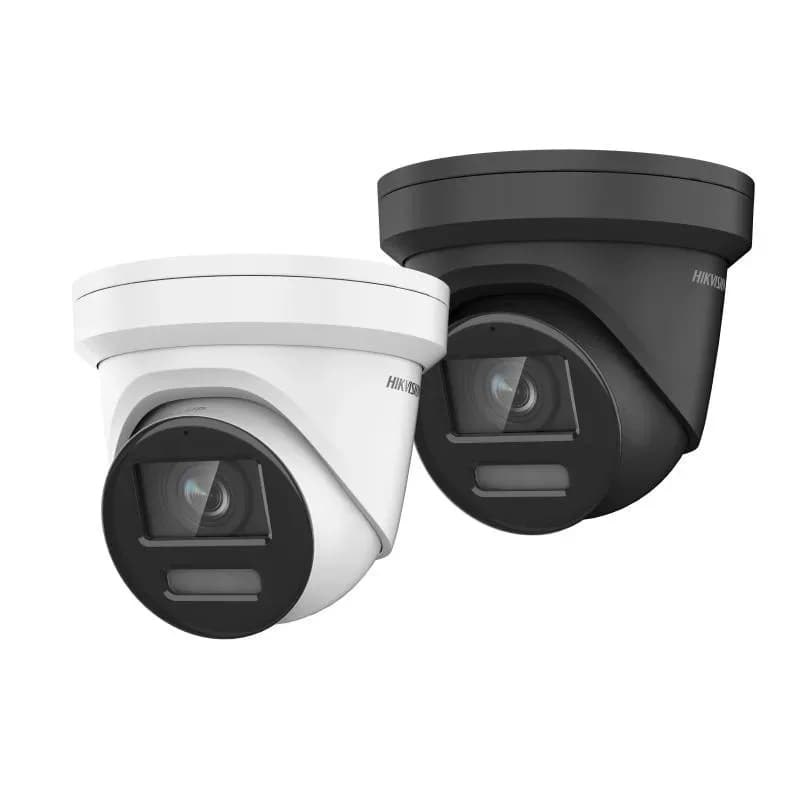
An NVR takes IP cameras over network cable. The camera does its own encoding and sends the result over the network.
What that means on site
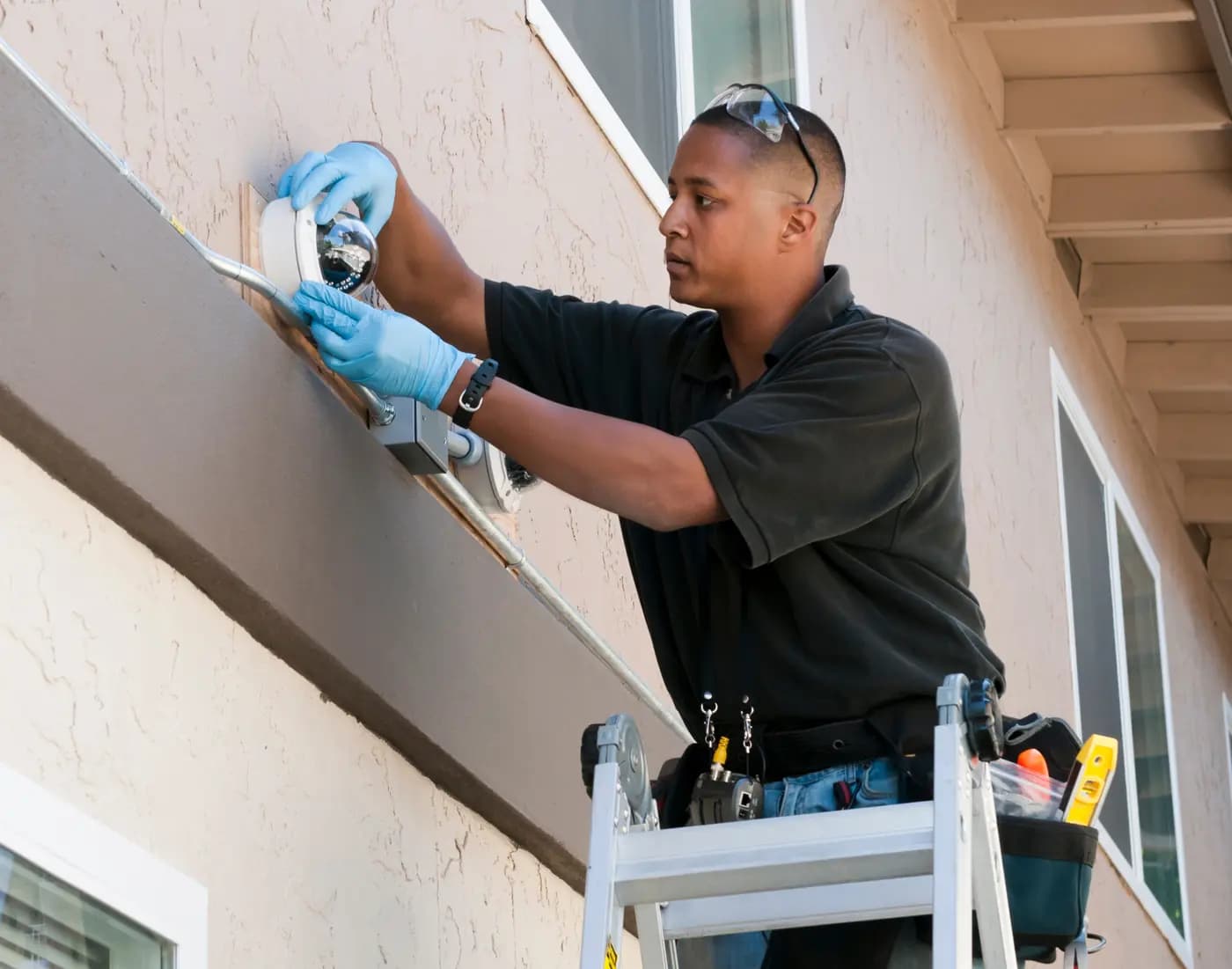
Cabling. This is usually the deciding factor, and it is rarely about preference. If a building already has coaxial running to every camera position, a DVR lets you reuse it. Pulling new network cable through a finished building is the expensive part of a job, frequently more than the equipment.
Power. IP cameras on an NVR can usually take power over the same network cable, which means one run per camera instead of two. On a new installation that is a real saving in labour.
Resolution ceiling. Analogue over coax has come a long way and modern HD-over-coax formats are perfectly respectable. But the high end of the resolution range lives on IP, and so do most of the analytics features.
Extending it later. Adding a camera to an NVR system is a network port and an address. Adding one to a DVR is a physical run back to the recorder.
When to keep the DVR you have
If you have a working DVR, decent coax to every position and no complaint about the picture, replacing the whole system to gain features you were not going to use is a poor trade.
A middle path exists and is frequently the right answer: hybrid recorders take both. You keep the analogue cameras that work, and add IP cameras where you need the resolution, on one recorder and one app.
When it is worth going IP
- New build, or a building being rewired anyway
- You need resolution above what your coax run will carry
- You want analytics done properly on the camera, such as line crossing or vehicle detection
- The site is spread out and already has a network you can use
The question that actually decides it
Not "which is better". It is: what cable is already in the walls, and how much would replacing it cost?
Answer that and the recorder chooses itself. If you are not sure what is in your walls, that is one of the things a site survey is for, and ours is free.
Once you know which way you are going, work out the storage before you buy the recorder, because the number of drive bays is easy to get wrong.