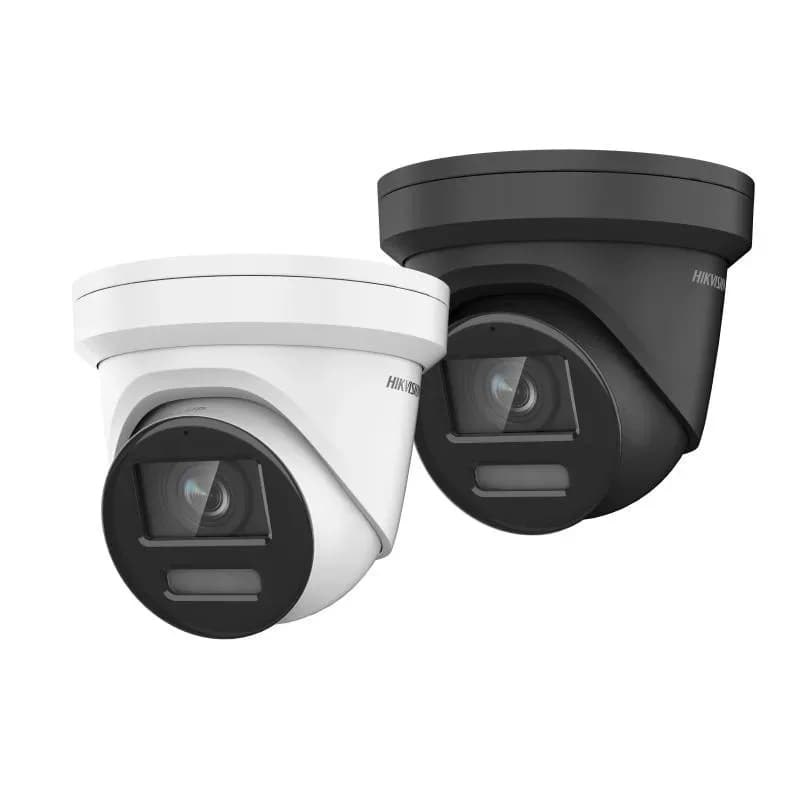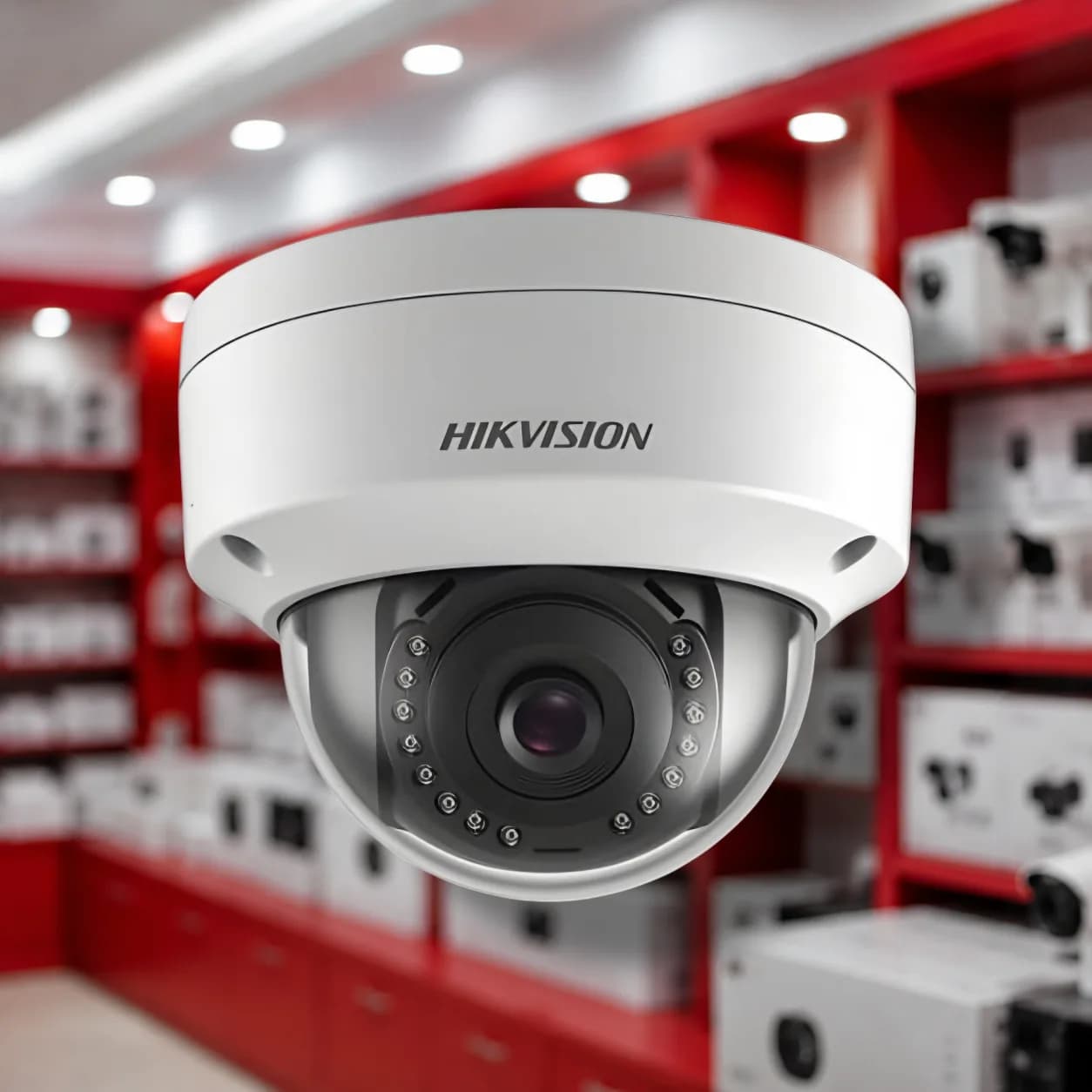
Most CCTV in Dar es Salaam is bought in Kariakoo, and there is a lot of it. Cameras that look identical sit in different shops at different prices, and the person selling them will tell you they are the same. Sometimes that is true. Often the difference is not in the box at all: it is in who stands behind it after you have paid.
Here is what to establish before money changes hands.
1. Find out who you are actually buying from
There is a difference between a distributor, a dealer and a stall that bought a carton last week. All three can sell you a working camera today. Only some of them will still be reachable, and still holding stock of that model, when you need a replacement.
Ask directly: are you a distributor for this brand, or are you reselling? It is an ordinary question in this trade and a straight answer is a good sign in itself.
2. Establish who honours the warranty, and how
"It has a warranty" is not an answer. The questions that matter are who honours it, what you need to bring, and what happens to your site while the unit is away.
Get it in writing on the invoice, with the model and the serial number on the same piece of paper. A warranty you cannot evidence is a conversation you will lose in eighteen months, which is exactly when equipment tends to fail.
3. Check the equipment is what the box says
Counterfeit and grey import stock is sold openly here, and a fake can look right, boot up and produce a picture. Two checks cost you nothing:
- The serial number. Manufacturers publish a way to verify one. Do the check yourself rather than accepting a screenshot from the seller.
- The box. Counterfeiters spend their money on the device, because that is what gets inspected. Soft print, a security label with no tamper pattern, or a model number on the box that does not match the device are all reasons to slow down.
Neither check on its own is proof. Both failing is a reason to walk away.
4. Make sure the specification matches the site, not the shelf
The commonest expensive mistake is not a fake camera. It is the right camera in the wrong place: a lens that sees the whole yard and identifies nobody, or a recorder with a fortnight of storage on a site that needs two months.
Two things settle most of it before you buy. Work out how much recording you actually need, which our storage calculator will do for you, and let somebody look at the site. We survey sites at no charge, and it is the step that stops the wrong equipment being bought in the first place.
5. Ask who comes back
Installation is where a good system is made or ruined, and a camera on the wrong wall is a camera that has cost you money and shown you nothing.
Ask who does the installation, whether they are the same people who sold it, and who you call when something stops working. If the answer to the last one is vague, that is the actual product you are being sold.
What we do
Pentagon Solutions is a national distributor, and our showroom is on Uhuru/Lumumba Street in Kariakoo. You are welcome to come and look at the equipment before deciding anything. We supply CCTV, electric fencing and gate automation, we survey sites at no charge, and we install what we sell.
Come and see us, or get in touch and tell us about the site.